
Pelvic Floor, Prolapse, Pregnancy & Bowel Physiotherapy in Wollongong and the Illawarra
Supporting pregnancy, postpartum recovery, prolapse management and bowel health with expert, compassionate care.
✔ Prolapse & pessary specialists
✔ Pregnancy and postpartum recovery
✔ Bowel dysfunction & anorectal physiology testing

Why women choose Matremaga Physiotherapy
✔ Specialist pelvic floor physiotherapy
✔ 20+ years physiotherapy experience
✔ Advanced prolapse & pessary expertise
✔ Only anorectal physiology testing provider locally
✔ Trusted by local obstetricians & specialists
SUPPORT FOR EVERY SEASON
SUPPORT FOR EVERY SEASON
Physiotherapy Services
Comprehensive Physiotherapy for Women Across All Life Stages
pelvic floor dysfunction
pregnancy care and postpartum rehabilitation
pelvic organ prolapse and pessary fitting
bladder and bowel dysfunction
pelvic pain and endometriosis
GPCCM, NDIS, SIRA, DVA and PHI accepted
musculoskeletal physiotherapy
headache, neck and jaw pain
spinal, hip, knee and ankle issues
Pre-hab and postoperative rehabilitation
falls prevention and balance retraining
Pelvic Floor Physiotherapy for bladder, bowel, pain disorders
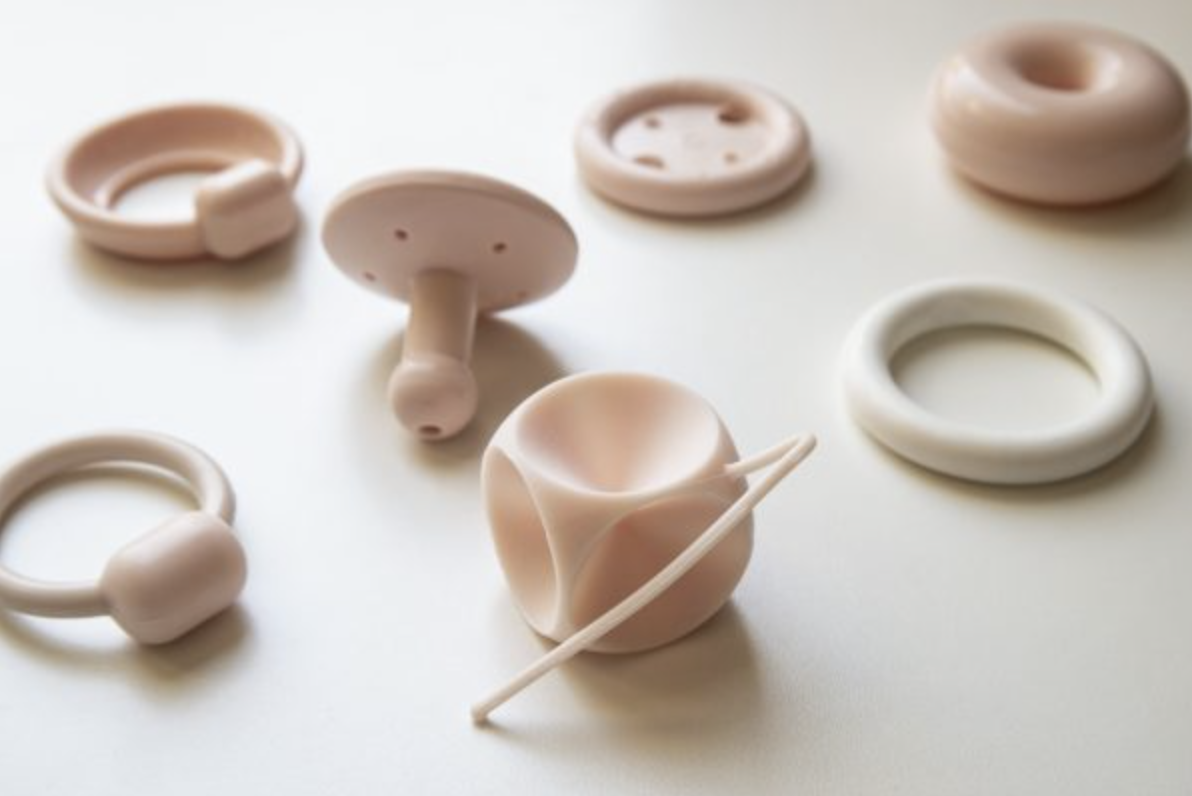
Pelvic Organ Prolapse and pessary fittings
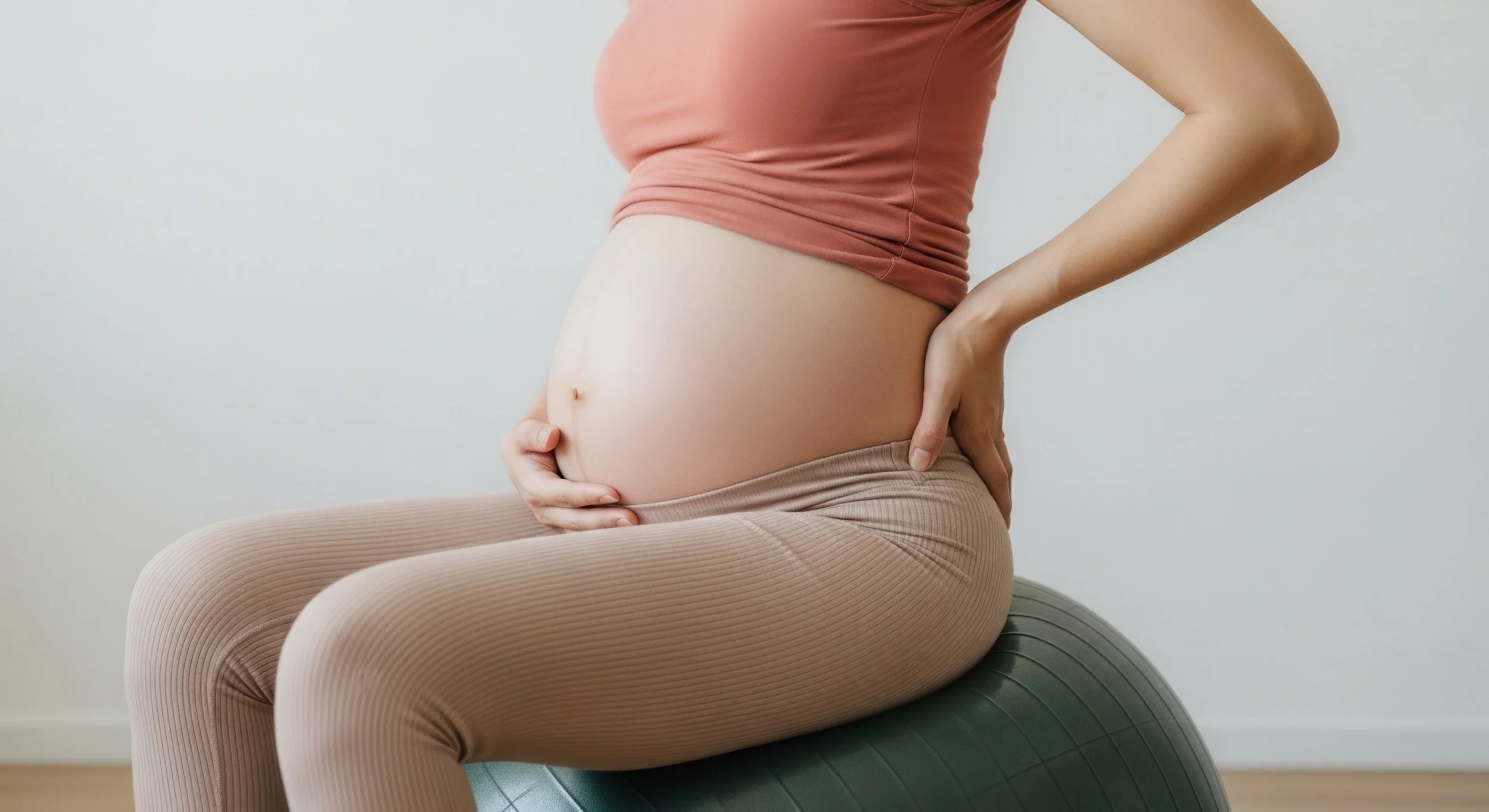
Pregnancy support and birth preparation

Small group exercise classes
Frequently Asked Questions
-
Pelvic floor physiotherapy treats the muscles, ligaments and connective tissues supporting the bladder, bowel and reproductive organs. These structures affect continence, organ support, sexual function, pregnancy, birth and postpartum recovery. Care includes a thorough assessment of symptoms, movement, breathing, posture and pelvic floor function. Treatment may involve education, exercises, lifestyle changes, bowel/bladder management, prolapse support, pessary fitting and rehabilitation after pregnancy, surgery or pelvic conditions. The aim is improved comfort, confidence, control and ability to move and exercise.
-
Many women assume bladder, bowel or pelvic floor symptoms are a normal part of pregnancy, childbirth, ageing or menopause, but these symptoms are often treatable. A pelvic floor physiotherapist can help if you experience bladder leakage, urinary urgency, constipation, faecal incontinence, pelvic pain, prolapse symptoms, pain during intercourse or difficulty returning to exercise after having a baby. You may also benefit from physiotherapy during pregnancy, while preparing for birth, after pelvic surgery or when navigating menopause. Early assessment often allows simple strategies to prevent symptoms becoming more significant and helps women remain active and confident throughout every stage of life.
-
A feeling of heaviness, dragging or pressure within the vagina is a common reason women seek pelvic floor physiotherapy. Symptoms may be related to pelvic organ prolapse, changes in pelvic floor muscle function, constipation, pregnancy, postpartum recovery or increased physical demands such as lifting and exercise. While these symptoms can feel concerning, they do not necessarily indicate serious damage and often respond well to conservative treatment. A comprehensive assessment can help identify contributing factors and guide an individual management plan. Early intervention can often reduce symptoms, improve confidence and help women remain active without fear of making things worse.
-
Many women with pelvic organ prolapse can significantly improve their symptoms without surgery. While physiotherapy cannot completely reverse every prolapse, treatment can often reduce feelings of heaviness, dragging, pressure and discomfort while improving confidence with exercise and daily activities. Management may include pelvic floor muscle training, exercise modification, bowel and bladder strategies, breathing and pressure management, strength training and pessary support. Understanding how to manage abdominal pressure and optimise pelvic floor function can make a substantial difference to symptoms. Surgery may be appropriate for some women, but conservative management is recommended as the first step for many prolapse presentations and can be highly effective.
-
A pessary is a removable silicone support device placed inside the vagina to help support pelvic organs affected by prolapse. During a pessary fitting appointment, a detailed assessment is completed to determine the most appropriate shape and size for your anatomy, symptoms and lifestyle goals. Several options may be trialled to find the most comfortable and effective fit. Most women are surprised by how comfortable a well-fitted pessary feels and many are able to exercise, work and remain active with greater confidence. Ongoing review appointments ensure the pessary remains comfortable and continues to provide effective support as your needs change over time.
-
Bowel symptoms such as constipation, incomplete emptying, excessive straining, faecal urgency and faecal incontinence are often influenced by the way the pelvic floor muscles, bowel and nervous system work together. Physiotherapy helps identify contributing factors and provides practical strategies to improve bowel function. Treatment may include bowel habit education, pelvic floor muscle retraining, breathing techniques, toileting posture advice, dietary considerations and strategies to improve coordination during emptying. For some women, specialised assessment such as anorectal physiology testing can provide further information about muscle function. The goal is to improve comfort, confidence and efficiency while reducing reliance on straining or compensatory techniques.